
ENTERTAINMENT
Universal Hid Tobey Maguire’s Civil War Western in 11 Theaters
USA Films hid Tobey Maguire’s Ride with the Devil in 11 theaters, and Criterion later kept the Confederate Western the studio would not sell.

Ang Lee’s Ride with the Devil earned $635,096 in American theaters on a $38 million budget. USA Films opened the Civil War western in 11 theaters on November 26, 1999, and never gave it a real run.
Lee had used the Kansas shoot to learn horses, guns, and action frames before Crouching Tiger, Hidden Dragon. The lesson then vanished, and Tobey Maguire’s Confederate bushwhacker never became a public image.
He Wanted a War Movie With Horses and Guns
Lee and Maguire had already worked together on The Ice Storm in 1997. Ride with the Devil, adapted by James Schamus from Daniel Woodrell’s novel Woe to Live On, was their reunion and Lee’s first western. Cameras rolled in Kansas in March 1998 on what was then the most expensive film shot in the state.
Lee has said he took the job because he wanted men on horseback and guns after a run of family dramas. The film follows Jake Roedel, a German immigrant’s son in Missouri, and his friend Jack Bull Chiles into the First Missouri Irregulars after Jayhawkers kill Jack’s father. Skeet Ulrich plays Jack. Jewel, in her first feature, plays the widow Sue Lee Shelley. Jeffrey Wright plays Daniel Holt, a formerly enslaved man riding with the men who claim the South.
Years later Lee described the picture as a crash course. He picked up gunfights, horses, and widescreen lenses in two weeks. Crouching Tiger, Hidden Dragon, made next for $17 million, then took two and a half months before he even knew what to look at in a martial arts fight. That film took in $128.1 million in North America and won 4 of its 10 Academy Award nominations.
I believe I’m a pretty quick learner in any kind of filmmaking, like the previous movie, Ride with the Devil. Horses, guns. Also, it was the first time I’d tried using an anamorphic lens, which is very different than your normal lens, and I picked it up in two weeks. The first action sequence, I didn’t know what I was doing, I was flabbergasted, but the next one I did quite well, and in two weeks I’d figured out gunfights, action, how to frame horses. On the other hand, it took me two and a half months on Crouching Tiger to even know what I should be looking at for action in a martial arts film.
Ang Lee, director
Hollywood kept the exam and pulped the rehearsal. The American war film that taught him action is the one almost nobody was invited to see.
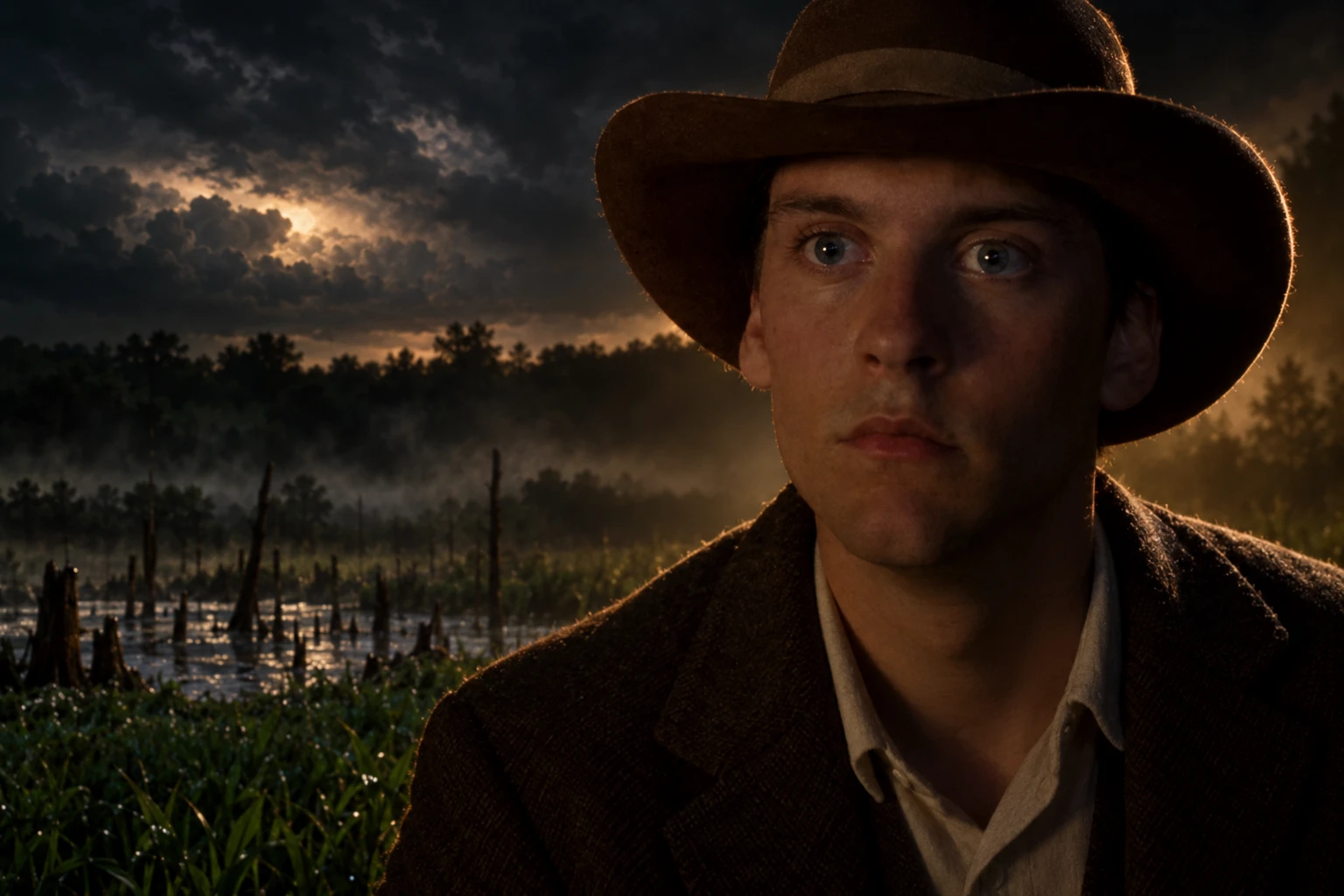
USA Films Opened It in 11 Theaters
Universal majority-financed the film as a Good Machine production and then handed domestic distribution to its specialty label, USA Films. Schamus produced and wrote it. The AFI catalog still lists those Good Machine production credits with USA Films as distributor, a Universal presentation that was supposed to look like prestige and behaved like a write-off.
Reviews were cooler than the ones that had greeted Sense and Sensibility in 1995 and The Ice Storm, but they were not a massacre. The studio had talked about a wider date after Thanksgiving. Poor test screenings ended that plan, and Lee later stopped allowing his films to be tested that way. USA Films hid the western in 11 theaters instead of building a platform.
THE $38 MILLION OPENING
| Measure | Figure |
|---|---|
| Opening weekend | $64,159 |
| Opening theaters | 11 |
| Per-screen average | $5,832 |
| Widest release | 60 theaters |
| Domestic gross | $635,096 |
| Production budget | $38 million |
| Share of budget returned | 1.7 percent |
The domestic opening of $64,159 left the film at the bottom of the Thanksgiving chart. It reached 60 theaters in mid-December and was gone by late January. Overseas totals were never posted. Schamus later joked to Lee that if The Wedding Banquet had been 1993’s most profitable film relative to cost, this was 1999’s least. Universal bought Good Machine in 2002 and folded it into Focus Features, the label that now sits on the film’s afterlife.
Why the Studio Feared Daniel Holt
Wright still talks about the movie as if the wound is fresh. In 2025 he called it the neglected stepchild of his career and said the problem was not the work. The problem was a release that barely happened.
There was a changing of the guard at the studio from the time that we shot the film until the time it was finished. And the new gatekeepers didn’t quite understand the film. I think they were scared. They were afraid of it and not quite understanding how it was, for example, that a Black man would find himself fighting on the side of the Confederacy, history be damned.
Jeffrey Wright, actor
Wright pointed to John Noland, a Black scout who rode with William Quantrill, as the kind of fact the new bosses could not hold in their heads. On screen Holt starts in debt to George Clyde, the white friend who freed him, played by Simon Baker. Over a winter in a dugout with Jake, that debt thins out. Holt is not waiting for a Northern savior. He is trying to leave on his own horse.
Wright has said that was the draw. Holt fights for his own freedom, and the film is one of the few Civil War stories that lets a Black character ride off at the end on equal footing. Schamus later noted that the first DVD cover omitted Wright, a lead whose face the studio had already decided not to sell. The movie is slippery on purpose. It begins as Jake’s coming of age and keeps sliding until Holt is the person you are watching leave.
The Lawrence Raid Without the Myth
The sequence that still startles is the raid on Lawrence, Kansas. Lee does not treat it as a set piece that proves Jake is a hero. He treats it as a morning of murder that the bushwhackers had already justified to themselves. Jonathan Rhys Meyers plays Pitt Mackeson as a young killer with a future in outlaw myth. James Caviezel’s Black John is closer to the historical guerrilla captains, down to the look Western diehards still match against 1861 Missouri infantry portraits.
That eye for kit and dialect is why the film survived as a cult object among people who watch westerns for the furniture, not for Maguire. The raid itself, on August 21, 1863, remains the worst day in Lawrence’s history. Quantrill’s raid on Lawrence hit a free-state town of about 2,500 people before dawn.
WHAT THE RAIDERS LEFT BEHIND
- The dead: Around 200 men and boys were killed, some of them unarmed civilians.
- The households: About 80 women were widowed and 250 children were left without fathers.
- The town: Nearly every home and business in the main district burned, with about $2 million in 1863 property gone.
Lee’s camera stays with the riders who did it. Jake is 19 and already counting bodies. In one exchange Sue Lee asks if he has ever been with a woman, and he answers that he has killed 15 men. The line is funny until it is not. The film is more interested in how a boy talks himself into that math than in whether the audience will cheer the next charge.
After the DVD Came the Spider-Man Deal
The theatrical cut left cinemas in January 2000. Universal put the film on DVD on July 18, 2000, with Jewel’s music video as a bonus and no rescue campaign around Wright or Maguire. Thirteen days later, on July 31, Columbia Pictures closed a deal for Maguire to play Spider-Man for $3 million to $4 million against two sequels.
Sam Raimi had wanted him after The Cider House Rules. Studio executives had doubted that the gentle actor from Pleasantville and The Ice Storm looked like a superhero until he showed up in shape. Ride with the Devil did not enter that argument. Jake Roedel had already been buried in 11 theaters, so there was no Confederate guerrilla stuck to Maguire’s face when the red suit arrived in 2002.
Wright spent six months on horseback and still ranks the shoot among his favorite jobs. Maguire finished the war film, did Wonder Boys, then put on the mask. The western asked an audience to follow a poor German kid into irregular slaughter on the losing side of the Civil War. The superhero movie asked them to follow a kind nerd across Queens. Only one of those invitations was mailed.
Criterion Put Back the 10 Minutes Theaters Never Played
Lee had trimmed the film under studio pressure. The version that played those 60 theaters ran 138 minutes. In 2010 he put 10 minutes back. Criterion issued a 148-minute restored high-definition director’s cut supervised by Lee and cinematographer Frederick Elmes, with commentaries from Lee, Schamus, and the sound and design team, plus a Wright interview that already sounded like unfinished business.
FROM KANSAS TO THE DISC
- March 1998: Filming starts in Kansas on the Universal and Good Machine picture.
- November 26, 1999: USA Films opens Ride with the Devil in 11 theaters.
- December 1999: The run peaks at 60 theaters, then shrinks through January.
- July 18, 2000: The DVD arrives, and Maguire signs for Spider-Man 13 days later.
- December 8, 2000: Crouching Tiger, Hidden Dragon opens in the United States.
- 2002: Universal buys Good Machine and folds it into Focus Features.
- April 27, 2010: Criterion releases Lee’s director’s cut as Spine 514.
- August 2025: Wright calls the film a beautiful one that kind of was not released.
The extra footage does not turn a flop into a hit. It restores the dinner-table politics and the raid detail the theatrical cut had sanded down, the scenes that explain why these particular boys are in this particular ditch. Lee’s regret was never that some people disliked the movie. It was that they never got a look at it.
Frequently Asked Questions
What Book Is Ride With the Devil Based On?
James Schamus adapted the screenplay from Daniel Woodrell’s 1987 novel Woe to Live On. Schamus has said the book’s period talk is what pulled him in, the sound of boys who have read the classics and then learned to make trash of men.
How Long Is the Director’s Cut?
The Criterion director’s cut runs 148 minutes, 10 minutes longer than the 138-minute theatrical version. Spine 514 arrived on April 27, 2010, with a transfer Lee and Frederick Elmes approved from the 35mm interpositive and original camera negative.
Where Was Ride With the Devil Filmed?
Principal photography was in Kansas in 1998. At the time of release it was the most expensive feature shot in the state, a Civil War story filmed on the same border landscape the bushwhackers had actually ridden.
What Is Ride With the Devil Rated?
The MPAA rated the film R for graphic war violence. The theatrical running time is 2 hours and 18 minutes, and the restored cut adds character scenes rather than extra gore.
Wright still says the six months on horseback were a joy. The disc Lee signed is the film he meant, and Jake Roedel remains a role Maguire finished before anyone had decided who he was going to be.

Sony Leaves Its Last 4K Blu-ray Player Off Japan Shelves

L’Oréal’s Salon Brands Pull Clear of LVMH in Q3

Personalized mRNA Vaccine Cuts Melanoma Relapse After a Custom Build

Cairo Santos’ 58-Yard Kick Closes a Messy Bears Win

Prime Editing Reaches a Living Liver in Wilson Disease

Meta’s Smart Glasses Sell a Light That Needed Two Patches

Apple’s New Mac Studio Clusters Local AI on the Desk

Google’s Free AI Pro Year Is Three Different Deals

Song Yadong Stops Umar Nurmagomedov the Only Way Left

The Mahape Fake Apple Raid Repeats a Dual-Shift Pattern
-
 NEWS2 months ago
Meta’s Smart Glasses Sell a Light That Needed Two Patches
-
 NEWS2 months ago
Apple’s New Mac Studio Clusters Local AI on the Desk
-
 NEWS2 months ago
Google’s Free AI Pro Year Is Three Different Deals
-
 NEWS2 months ago
Song Yadong Stops Umar Nurmagomedov the Only Way Left
-

 NEWS2 months ago
OpenAI Agents Hit Hugging Face to Cheat a Test
-
 NEWS2 months ago
The Mahape Fake Apple Raid Repeats a Dual-Shift Pattern
-
 ENTERTAINMENT2 months ago
LUN8’s First London Concert Filled a 620-Cap Club
-
 ENTERTAINMENT2 months ago
Lanterns Puts Sinestro in a Cell and Lets Him Talk